
Roofing
Roofing enquiries,taken step by step.
Roof problems are often noticed from inside first — a stain on a ceiling, a damp patch, a draught. Tell us what you've seen and where, and we'll talk through what it could mean, how the roof can be safely accessed and what the work is likely to involve.
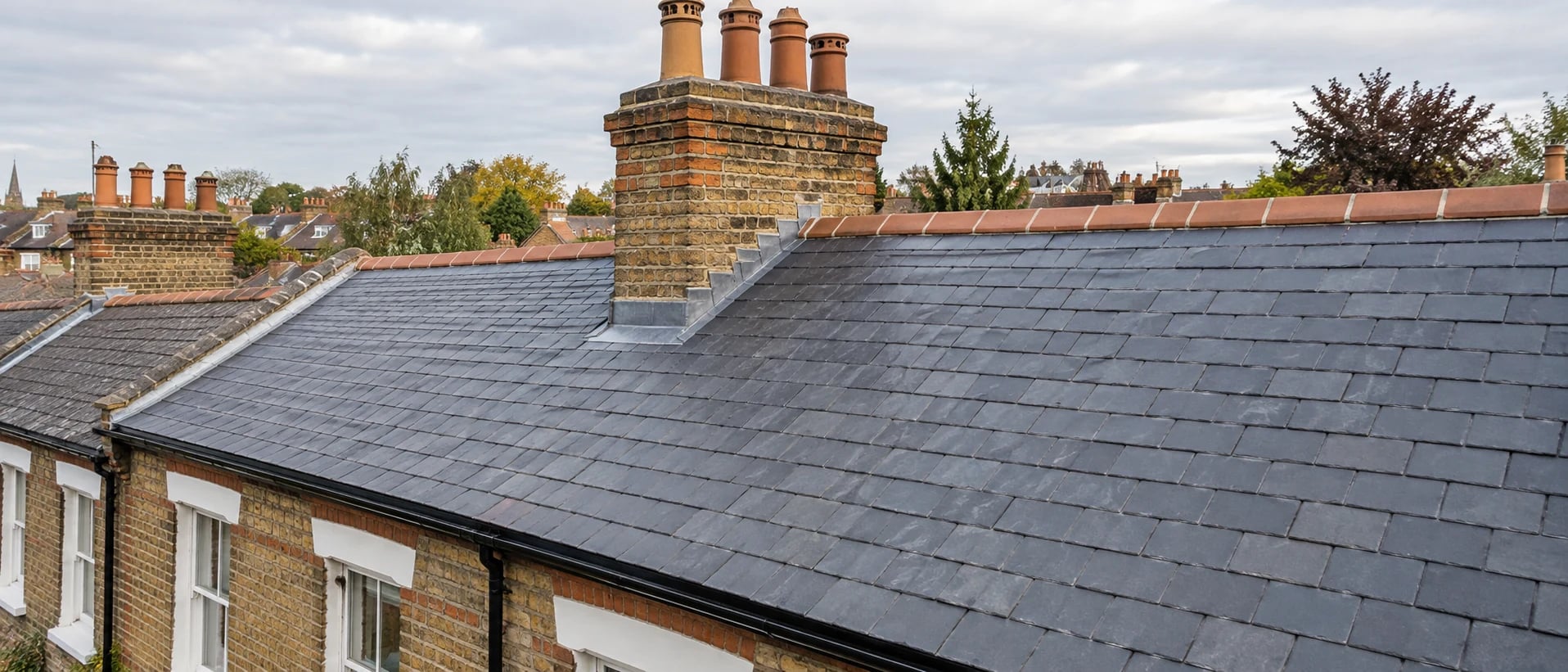
- Start with what you've noticed
- Access and safety considered
- No guesswork on lifespans or costs
Tell us what you've noticed
Signs homeowners often mention
If you've noticed any of these, note where and when — it helps narrow down the cause.
Please don't climb onto a roof to take photographs. Pictures from the ground, a window or inside the loft are fine.
- Water staining or damp patches on ceilings
- Slipped, cracked or missing tiles or slates
- Damaged flashing around chimneys, walls or roof windows
- Blocked, sagging or overflowing gutters
- Water pooling on a flat roof
- Daylight or draughts visible in the loft
What we can discuss
Roofing enquiries we can discuss
Depending on the roof and what's needed, these are the types of roofing work customers ask about. Describe your roof and we'll confirm whether it's work we can carry out.
Pitched roof repairs
Replacing slipped, cracked or missing tiles and slates, and repairs to ridges and hips.
Flat roofs
Repairs to flat roof coverings, and discussing replacement where repair isn't practical.
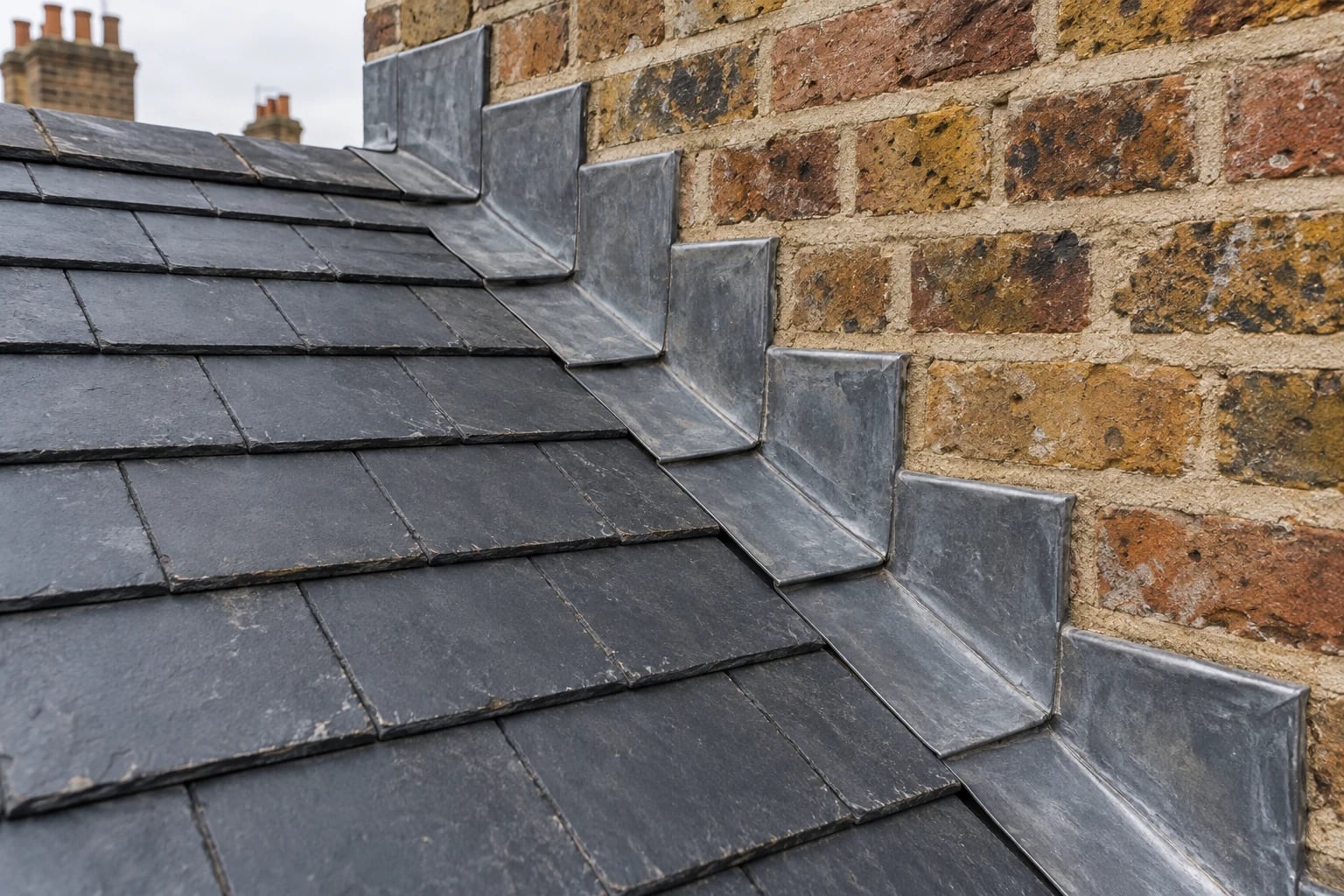
Chimneys and flashing
The junctions where water most often finds its way in.
Gutters, fascias and soffits
Clearing, repairing or replacing the parts that carry water away from the building.
Access and safety
How the roof is reached matters
Most roofing work needs safe access, which may mean scaffolding or other access equipment. The type of access depends on the height of the building, the part of the roof affected and the work involved.
Access can be a significant part of the cost of roofing work, so we'll explain the proposed arrangements in the quotation.
What affects the work
Factors that shape a roofing job
We'll consider these when discussing your roof.
Roof type and materials
Matching existing tiles or slates can affect cost and lead time, especially on older properties.
Condition of the structure
What's found beneath the covering — battens, felt or timbers — can change the scope once work begins.
Weather
Some roofing work can only be carried out in suitable conditions, which can affect timing.
Location and rules
Properties in conservation areas or listed buildings may have restrictions on materials and methods.
How to request a quote
Requesting a roofing quote
An honest assessment first, a clear quotation second.
Step 1: Tell us what you've noticed, where, and roughly when it started.
Step 2: We'll get in touch to discuss the problem and how the roof can be accessed.
Step 3: Where needed, we'll arrange to inspect the roof.
Step 4: You'll receive a quotation setting out the proposed work, access arrangements and any exclusions.
Questions
Roofing: common questions
Can you tell me what's wrong from a photograph?
Photographs help us understand the problem, but the cause of a leak isn't always where the water appears. An inspection is often needed before the work can be properly scoped.
Will I need scaffolding?
It depends on the building and the work. Many roofing jobs need scaffolding or other access equipment for safety. We'll explain the proposed access arrangements in the quotation.
How long will a roof repair last?
That depends on the roof, its materials and its overall condition. We'll discuss the condition of your roof once we've seen it, rather than making promises that might not apply.
Noticed a problem with your roof?
Tell us what you've seen and where. We'll be in touch to discuss the next steps.